
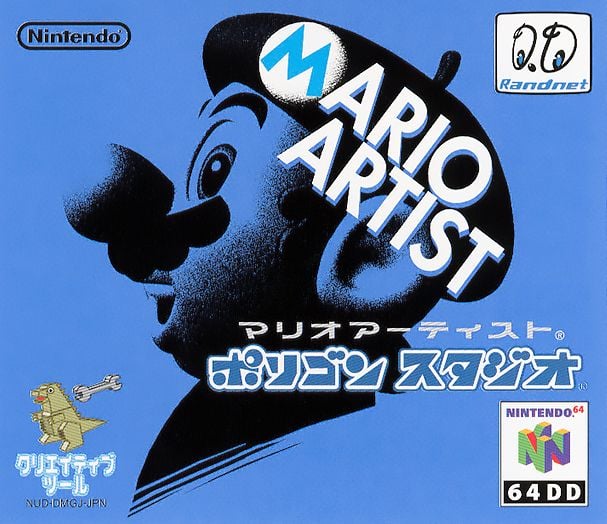
Mario Artist: Polygon Studio
Overview
Mario Artist: Polygon Studio is the fourth and final entry in the Mario Artist series and the last Super Mario-branded game ever released on the 64DD. It is a 3D-modelling sandbox built around two ideas: assembling models from pre-made parts (called “blocks”), or building your own blocks from scratch in a surprisingly capable 3D editor.
Once you have a creation, the game lets you do something with it. You can photograph it on a customisable stage with rain or falling leaves, send it into a stop-on-the-edge minigame called Go Go Park, or use it in a chain of rapid-fire micro-challenges called Sound Bomber. Or you can take it into Jikken World, a small open-world side mode where you drive, swim, and fly your creation through dangerous terrain to collect new parts — a free-form motor-prosthetics adventure that is unlike anything else in Nintendo's catalogue.
Polygon Studio is also where the WarioWare series secretly began. Director Hirofumi Matsuoka used the Sound Bomber mode as a proof of concept; in 2003 he applied that same rapid-fire microgame format to WarioWare, Inc.: Mega Microgame$!, lifting microgames directly out of Polygon Studio for the GBA release. Several Polygon Studio microgames appear under different names with new graphics in the first WarioWare. The series has since become one of Nintendo's most enduring spin-off franchises — and it all started here, on a peripheral almost nobody owned.
The game features deep interconnectivity with the other Mario Artist titles. 3D models created in Polygon Studio can be swapped to Talent Studio for use as movie props, and can be uploaded via Communication Kit to Randnet for the Print Service to mail you back as physical papercraft kits.
Controls
| Action | Input |
|---|---|
| Move cursor / adjust blocks (when selected) | Control Stick / 64DD Mouse |
| Select buttons and blocks / advance page | A Button / 64DD Left Mouse Button |
| Rotate or zoom into a creation / return page | B Button / 64DD Right Mouse Button |
| Move cursor to exit button | START Button |
| Undo | R Button |
| Move the screen | C Buttons |
| Act as A Button / slow mouse by 50% (configurable) | Z Button |
3D Modelling Modes
Polygon Studio is split into two top-level paths from the main menu:
かんたんにつくる
“Creating Easily”
プロへのみち
“Road to Pro”
Pro e no Michi is split into three sub-modes: Block Dome (essentially the same as Kantan ni Tsukuru's main mode), Modeler Rocket (custom block modelling), and Stage UFO (photography stage). Saved creations are viewable in the Gallery (ギャラリー, gyararī).
Block Dome
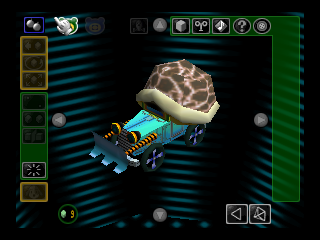
The Block Dome (ブロックドーム, burokku dōmu) is where players build Block Sakuhin (ブロック作品, “block creations”) by resizing, rotating, and stacking pre-made block pieces.
From Block Dome you can hop straight into the side modes: Chotto Kyūkei (ちょっときゅうけい, “Quick Break”) houses the Go Go Park and Sound Bomber minigames, and Jikken World (じっけんワールド, “Experimental World”) sends your vehicle off to collect new parts.
Block Categories
Basic body blocks — the structural skeleton of any creation.
Pre-animated blocks that move on their own — tails, wings, wiggling appendages.
Blocks that emit a continuous looping sound effect — great for adding life to a creature.
Bonus decorative blocks. More are unlocked by finding them in Jikken World.
Wheels, legs, propellers — locomotion blocks that let creations move. More unlocked in Jikken World.
Hidden in Jikken World — upgrades every Power Block on a creation to its top-tier counterpart.
Modeler Rocket
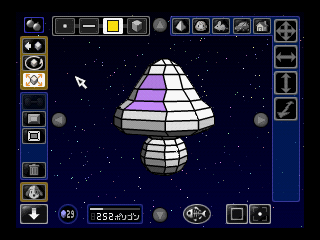
Modeler Rocket (モデラーロケット, moderā roketto) is the deep end of the game — the custom 3D modelling tool. Players create their own 3D Sakuhin (3D作品, “3D creations”) using a surprisingly robust polygon editor that supports cutting, extruding, bevelling, and other operations alongside per-face texture painting.
Rather than starting from scratch, players can load one of several base meshes — primitive shapes like cubes and cylinders, animals, houses, or untextured versions of recognisable Nintendo characters.
Built-in tutorial videos walk through specific modelling examples step-by-step — uncommon for a 2000-era console title. Objects created here can be exported as props into Mario Artist: Talent Studio's movie creation mode.
Featured Nintendo Base Meshes
Three Super Mario 64 character models can be loaded as starting meshes — untextured, ready to be reshaped:

マリオ
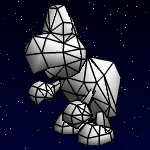
ノコノコ
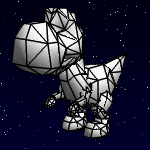
ヨッシー
Hidden Easter egg: the Modeler Rocket also includes an untextured Kirby model loaded from Kirby 64: The Crystal Shards — an unexpected HAL Laboratory cameo inside a Nintendo R&D 1 title.
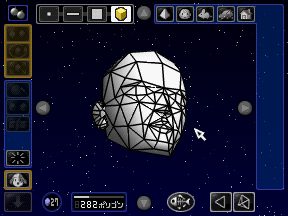
Stage UFO

Stage UFO (ステージUFO, sutēji UFO) is Pro e no Michi's photography mode. Players place their finished creations onto pre-made 3D stages, then customise the scene with backgrounds, lighting, and special weather effects like rain or falling leaves.
Once a scene is set up, the chosen stage becomes accessible from the Pro e no Michi menu for repeat observation or photography — effectively a saved diorama. It is the closest the 64DD ever got to a virtual-toy display case.
Go Go Park

Go Go Park (ゴーゴーパーク, Gō Gō Pāku) is the first of two minigames accessible from the Block Dome. The player “winds up” their custom creation by holding the Up C Button (or pushing the mouse forward), then releases and tries to stop their model as close to the cliff edge as possible without falling off.
Three stages of increasing difficulty cycle endlessly, each with a different layout:
Stage 1: Grassy Plains

Stage 2: Fiery Lava

Stage 3: Starry Night
Go Go Park is the direct predecessor to the Chicken Race microgame in WarioWare, Inc.: Mega Microgame$! — the exact same “wind up and stop” concept, repackaged.
Sound Bomber
Sound Bomber (サウンドボンバー, Saundo Bonbā) is the second Block Dome minigame — and one of the most historically important pieces of code in Nintendo's 64DD library. It is a collection of eight simple, rapid-fire challenges built around the player's creation, played in quick succession with minimal controls. Three difficulty levels; three mistakes ends the run.
This is the prototype for WarioWare.
Director Hirofumi Matsuoka used Sound Bomber as a proof of concept for the rapid-microgame format. When he later directed WarioWare, Inc.: Mega Microgame$! (2003, GBA), all eight of these microgames were ported in — redrawn, renamed, and remixed, but mechanically the same. The introduction stage in the first WarioWare even takes place inside a boombox as a direct reference to Sound Bomber.
The Eight Microgames (and their WarioWare descendants)
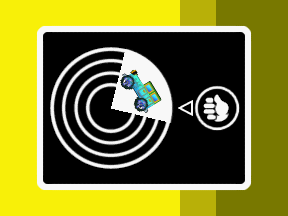
ROULETTE
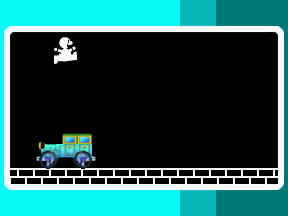
JUMP
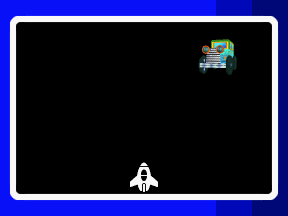
SHOOT
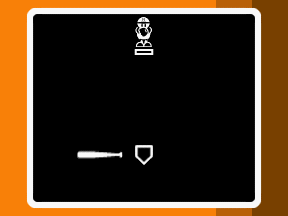
BASEBALL
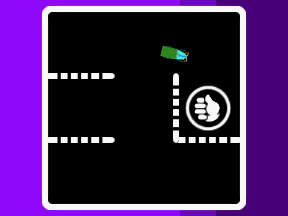
MAZE
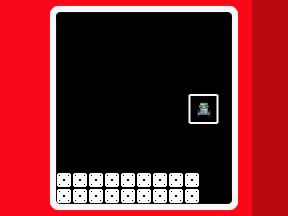
BLOCK
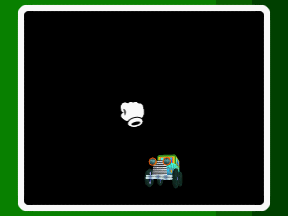
FLIES
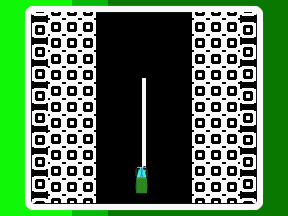
RACE
Jikken World

Jikken World (じっけんワールド, Jikken Wārudo, “Experimental World”) is Polygon Studio's killer feature — a small open-world mode accessed from the Block Dome where the player drives, walks, swims, and flies their custom creation around a series of interconnected zones, hunting for Dōryoku Blocks (Power Blocks) and ? Blocks to bolt onto the vehicle.
Each Power Block has different stats: top speed, traction on snow, sand, or thorny terrain, maximum altitude. By combining different block types, a single creation can have separate walking, driving, swimming, and flying modes — the right block lets you traverse the right terrain. It is, effectively, a prosthetics RPG.
Locations & Encounters
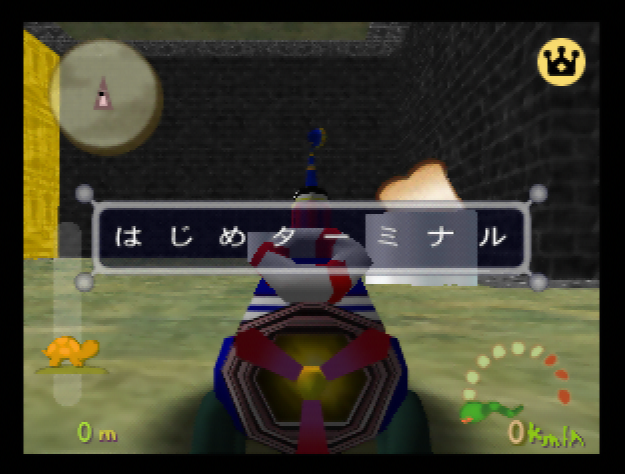
Hajime Terminal
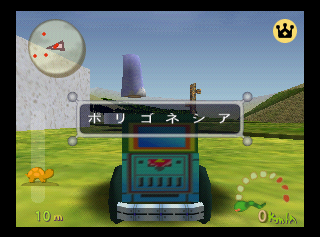
Porigoneshia (ポリゴネシア)
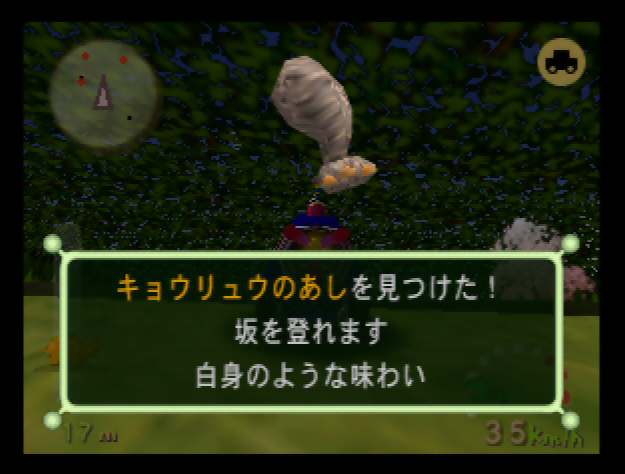
Block Collection
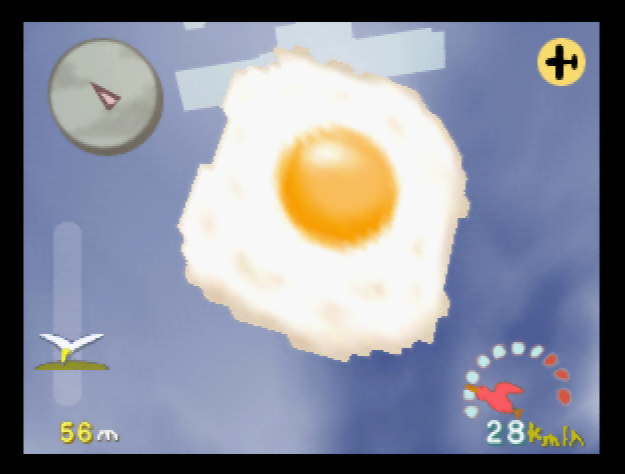
Flying Egg Hostile
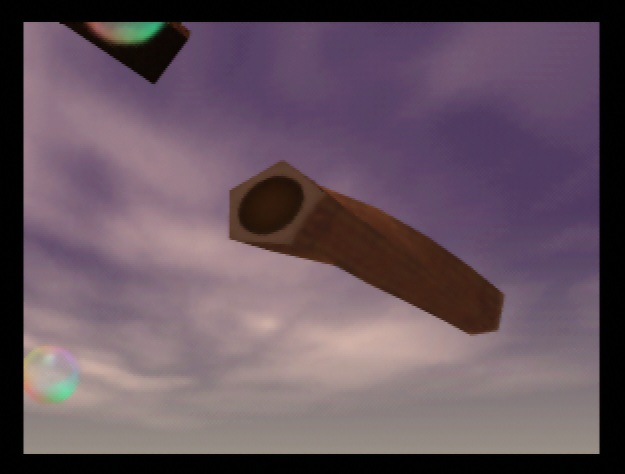
Hidden hints from Udetate & Banzāi. Scattered around Jikken World are slices of bread (Shokupan) inscribed with messages from Udetate and Banzāi — the cult aerobics duo from Mario Paint. They offer advice on driving your vehicle and reveal world secrets. The pair also appear in Jikken World as collectible blocks themselves, and a chance scene of them doing aerobics may play on game startup — a direct callback to Mario Paint's opening.
WarioWare Origin Story
Polygon Studio is the unsung birthplace of one of Nintendo's most prolific franchises. The chain of events:
- August 2000: Polygon Studio ships in Japan with Sound Bomber as a side mode — eight rapid-fire microgames featuring the player's creation.
- 2001-2002: Director Hirofumi Matsuoka realises the microgame format has standalone potential and starts pitching it at Nintendo R&D 1.
- March 2003: WarioWare, Inc.: Mega Microgame$! launches on GBA, with Matsuoka as director. The boombox-themed intro stage is a direct callback to Sound Bomber. All eight Sound Bomber microgames are ported in, redrawn with WarioWare characters.
- 2003-present: The WarioWare series becomes one of Nintendo's most consistent franchises — from GBA to DS, Wii, 3DS, Switch, and Switch 2, plus multiple spin-offs and party games.
Source: Kikizo interview with Nintendo R&D 1, April 2006 — where Matsuoka explicitly credits Polygon Studio's Sound Bomber as the WarioWare prototype.
Gallery
Artwork & Packaging
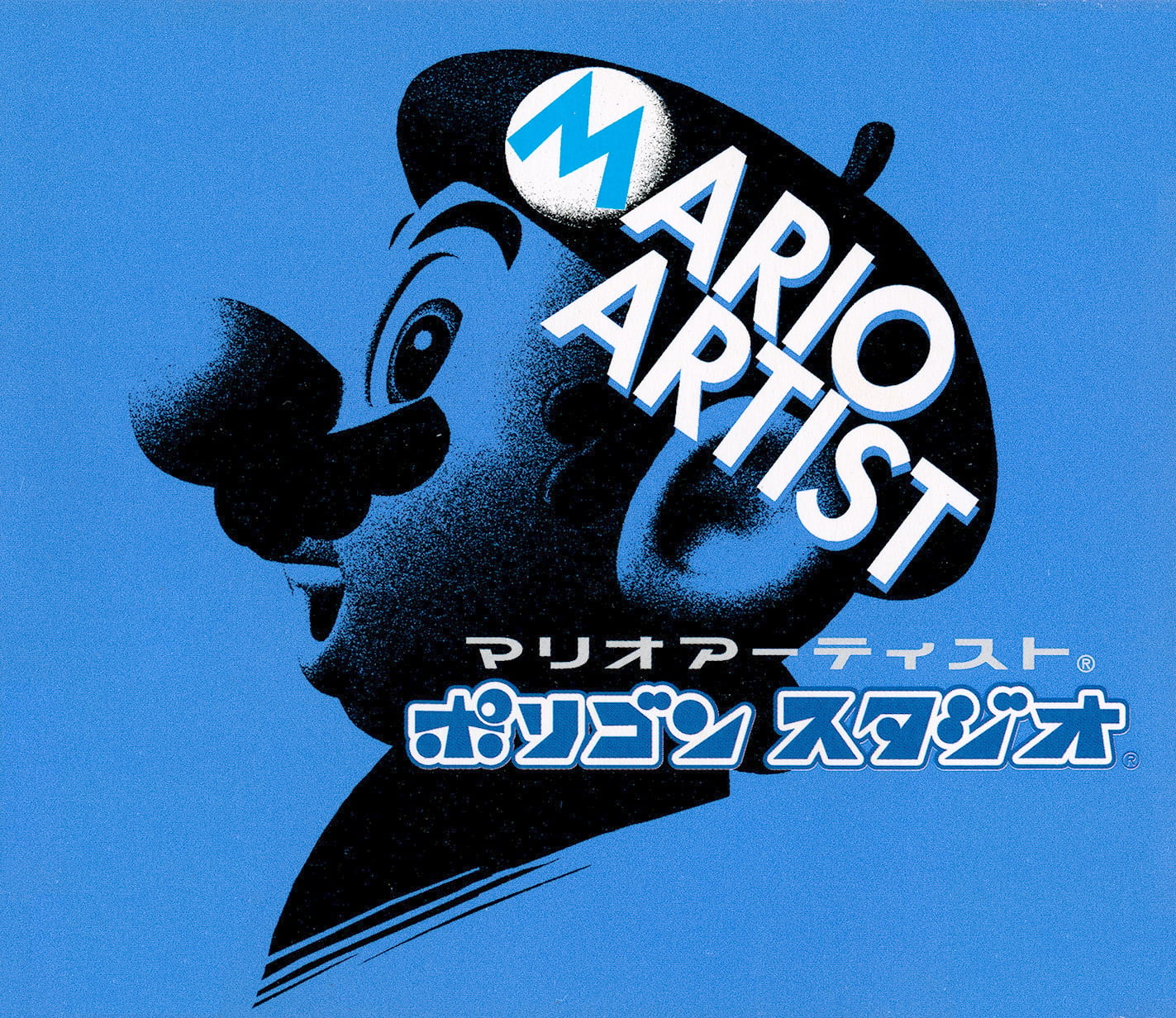
Alternate Cover
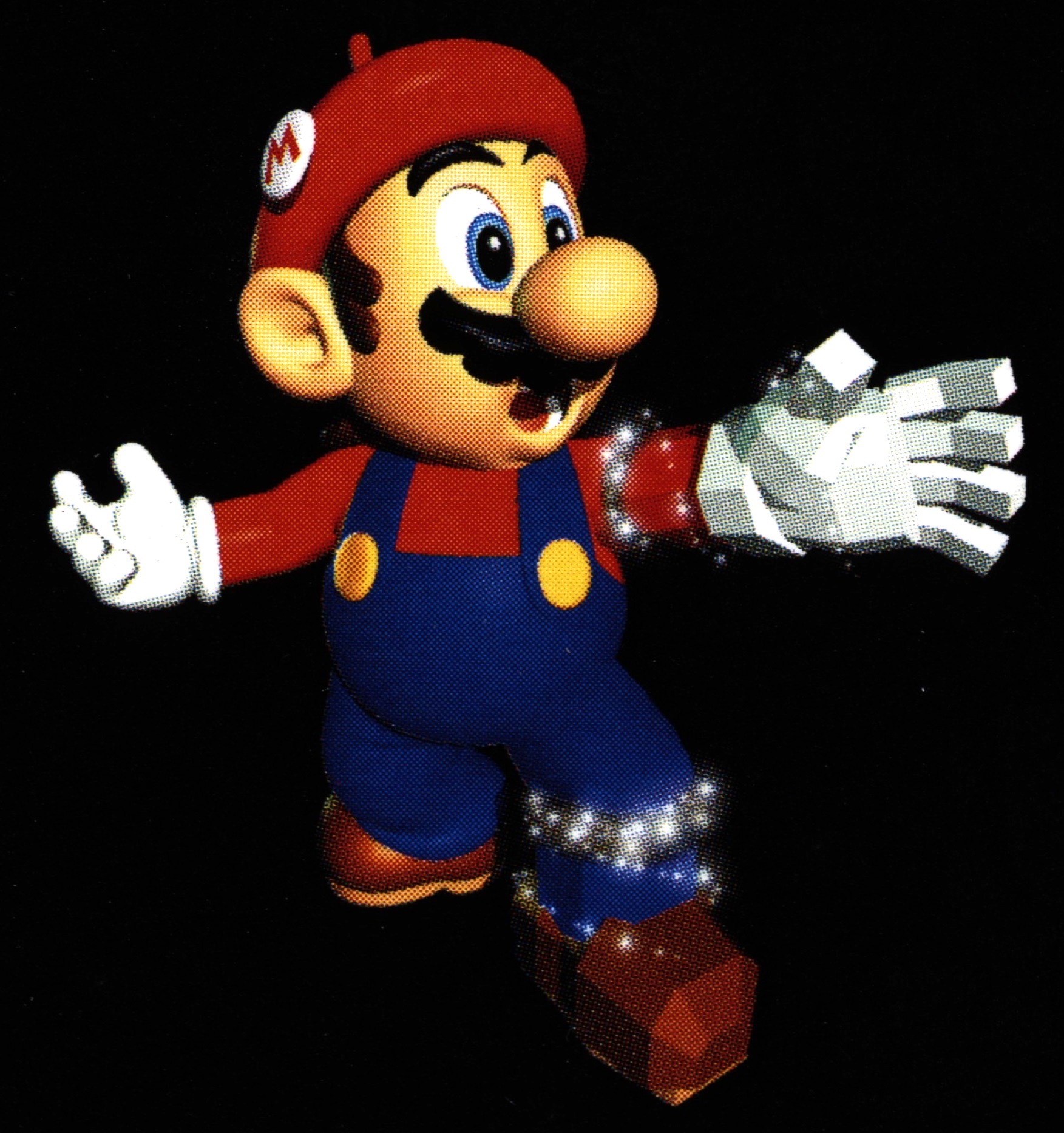
Mario Artwork
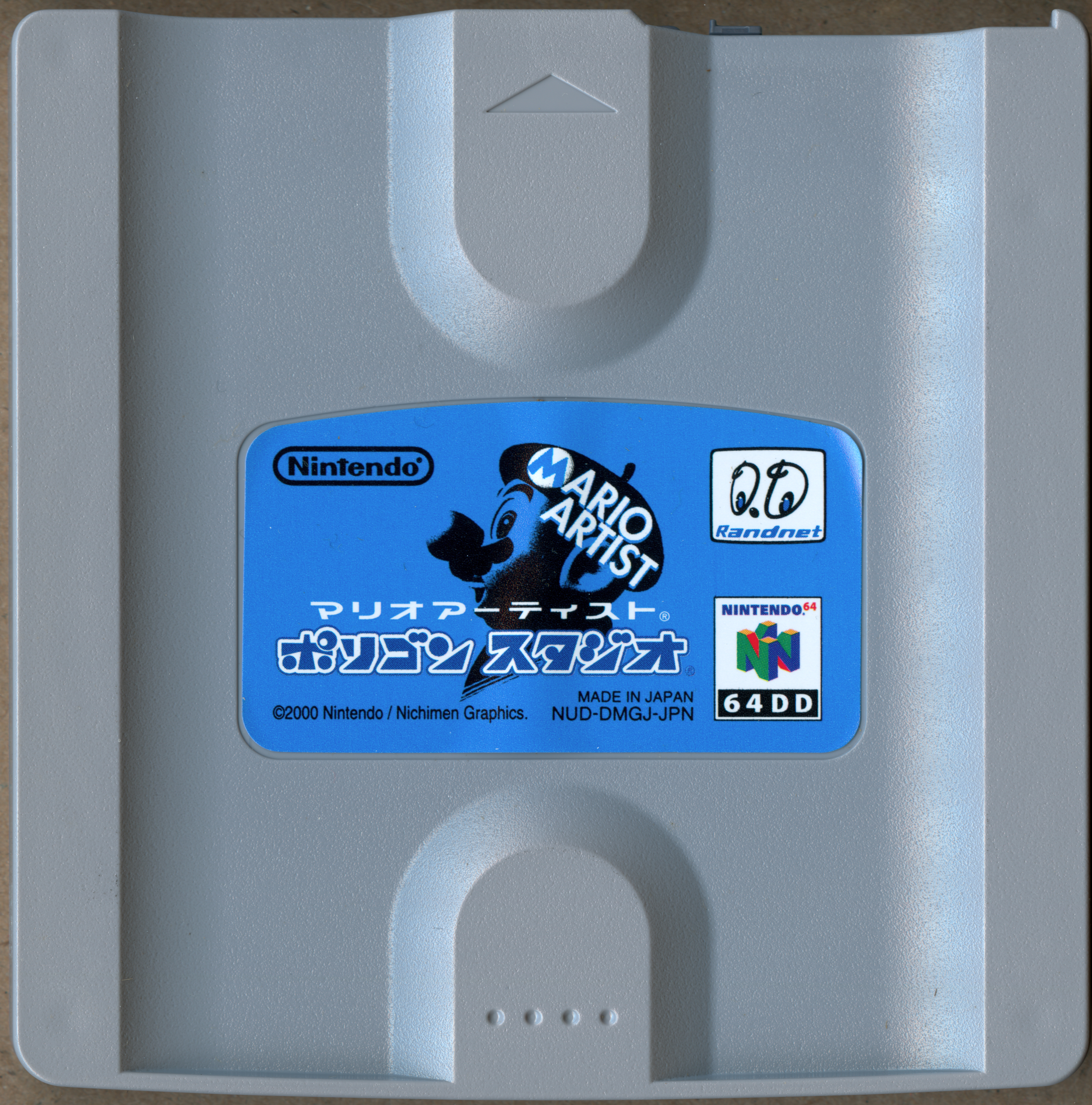
Game Drive (Disk)
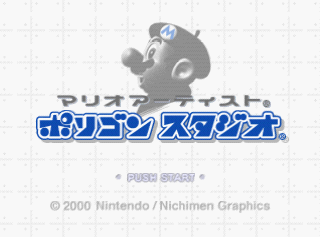
Title Screen
Pre-release & Promotional
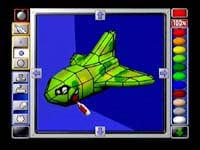
Pre-release Shot
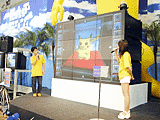
Space World '99
References to Other Games
Mario Paint (SNES)
- The Baby can be seen floating in the background of the model creation menu — click it and it makes its signature noise from Mario Paint.
- As with every Mario Artist title, the dog-head Undo icon is a reference to Undodog.
- The aerobics duo Udetate and Banzāi appear — a chance startup scene shows them exercising (just like Mario Paint), they leave hints throughout Jikken World on slices of bread, and they can be collected and used as blocks themselves.
Super Mario Bros. 3
- One of the Animation Blocks is a brown striped tail — an obvious reference to Raccoon Mario / Tanooki Mario.
Super Mario 64
- Untextured versions of Mario, Yoshi, and Koopa Troopa models can be loaded as base meshes in the Polygon Editor.
- A Power Star part can be found in Jikken World — it upgrades every Power Block on the vehicle to its top-tier counterpart.
Kirby 64: The Crystal Shards
- An untextured Kirby model is hidden in the Polygon Editor — a HAL Laboratory cameo lifted directly from Crystal Shards (also a 2000 release).
Mario Artist: Talent Studio
- 3D creations made in Polygon Studio can be exported into Talent Studio as movie props by swapping disks — full asset interchange between Mario Artist titles.
Mario Artist: Communication Kit
- 3D creations can be uploaded to Randnet via Communication Kit's Print Service, where they were turned into physical papercraft kits and mailed back to the player.
References in Later Games
WarioWare, Inc.: Mega Microgame$! (2003, GBA)
The entire WarioWare series concept originated in Polygon Studio's Sound Bomber mode. The intro stage takes place inside a boombox as a direct Sound Bomber reference, and all eight Sound Bomber microgames return in WarioWare with new names, graphics, and controls:
Sound Bomber → WarioWare Microgame Mapping
| Sound Bomber | WarioWare, Inc. | Wario Stage |
|---|---|---|
| JUMP | Crazy Cars | Reflex / Action |
| BLOCK | Diamond Dig | Various |
| SHOOT | Repellion | Sci-Fi |
| ROULETTE | Wario Whirled | Boss |
| BASEBALL | Batter Up | Sports |
| FLIES | Mario Paint: Fly Swatter | Nintendo Classics |
| RACE | Hectic Highway / Racing 112 | Reflex |
| MAZE | Maze Daze | Reflex |
Trivia
- Polygon Studio is the last Super Mario-branded game ever released on the 64DD — the platform was officially discontinued shortly after.
- Co-developer Nichimen Graphics was a respected 3D software house behind professional modelling tools like Nichimen Mirai — their involvement explains why the Polygon Editor punches well above its weight for a console title.
- Director Hirofumi Matsuoka would later direct WarioWare, Inc.: Mega Microgame$! in 2003 — making him one of the few people to have shipped both a launch-era 64DD game and a series-launching GBA hit.
- The game uses the same hidden code support for the 64GB Cable peripheral as the other Mario Artist titles — even though it never shipped, the implementation is fully present.
- Polygon Studio's deep cross-disk integration — Polygon → Talent props, Polygon → Communication Kit papercraft kits, Power Block discovery in Jikken World — is the most ambitious example of inter-game functionality on 64DD.
- The papercraft kit mail order service through Communication Kit's Print Service is one of gaming's earliest examples of digital-to-physical creative content — a 3D model uploaded online, processed, then mailed home as foldable card. Two decades before 3D printing services were common.
- The Power Star part in Jikken World is the only known case of SM64's Power Star directly appearing in a Mario Artist title with gameplay effect rather than just decoration.
- Polygon Studio is one of the only games (and perhaps the only first-party Nintendo game) where players can load an untextured Kirby model in an official editor — a strange HAL/Nintendo crossover.
- The Japanese title «マリオアーティスト ポリゴン スタジオ» (Mario Ātisuto: Porigon Sutajio) is the same katakana transliteration pattern as the other three Mario Artist titles.
- Jikken World's five locations have evocative names: Hajime Terminal (Beginning Terminal), Henkyō Inferno (Borderland Inferno), Kōkōdo Paradiso (High Altitude Paradise), Kūchū Teien Porigonā (Floating Garden Polygoner), and Porigoneshia (Polygonesia).
- The Sound Bomber to WarioWare lineage means Polygon Studio is technically the highest-selling 64DD game by influence — it parented a series that has sold over 25 million units across all entries.
- Public debut: Nintendo Space World '99, where all four Mario Artist titles were demonstrated to the press for the first time. Polygon Studio was the last of the four to ship.
- Like every 64DD title, Polygon Studio was constrained by the platform's estimated 15,000-unit install base in Japan. Despite its influence, it remains one of the most rarely-played Nintendo games of the late 90s.