

Super Mario 3D World
Five playable characters, 12 worlds, 116 courses and the Cat Suit — the best co-op Mario game ever made, and one of the finest games on the Wii U.
Super Mario 3D World landed on the Wii U in November 2013 and immediately became one of the best-reviewed games of that year. It builds directly on the formula of Super Mario 3D Land for 3DS — linear 3D levels with a goal pole at the end, tight time limits, collectible Green Stars — but blows everything up to home console scale and adds something the 3DS couldn’t do: four-player simultaneous co-op.
This is the first 3D Mario game to let you play with friends at the same time. Up to four players control Mario, Luigi, Peach and Toad, each with meaningfully different abilities drawn from Super Mario Bros. 2. Later, Rosalina joins the roster as a hidden unlockable. The result is a game that works brilliantly as a solo experience but absolutely comes alive with a full team of four — part cooperative, part competitive, always chaotic.


The plot is a refreshing change too. Instead of rescuing Princess Peach (who is one of the playable heroes this time), the gang are trying to save the seven Sprixie Princesses — fairy-like rulers of the Sprixie Kingdom — from Bowser. It’s a light story but it gives the game a distinct visual identity: the Sprixie Kingdom is a wonderfully inventive place full of colour, transparency effects and some of the most creative level design Nintendo has ever produced.
“SM3DW is a landmark — the game that proved a 3D Mario could work brilliantly in multiplayer without compromising the single-player experience. The cat theme, the Sprixie Kingdom aesthetic, the sheer variety of ideas across 116 courses — this is Nintendo at its most playful and most precise.”
Five playable characters — each with distinct stats borrowed from Super Mario Bros. 2. You can switch character before entering any stage, which makes the differences genuinely strategic. Collect all five characters in a stage and the goal flag turns gold. Rosalina is the secret sixth roster member, unlocked after clearing World Star-2.


Captain Toad also appears as a playable character exclusively in the Captain Toad’s Adventures puzzle stages — he can’t jump at all and moves slowly, but has a headlamp that lights dark areas. These stages were so popular they spun off into their own full game: Captain Toad: Treasure Tracker.

SM3DW has one of the most diverse power-up rosters in series history. The Cat Suit is the signature newcomer, but there are seven other transformations plus a collection of unique items that only exist in this game. The Double Cherry is probably the most chaotic item Nintendo has ever designed.

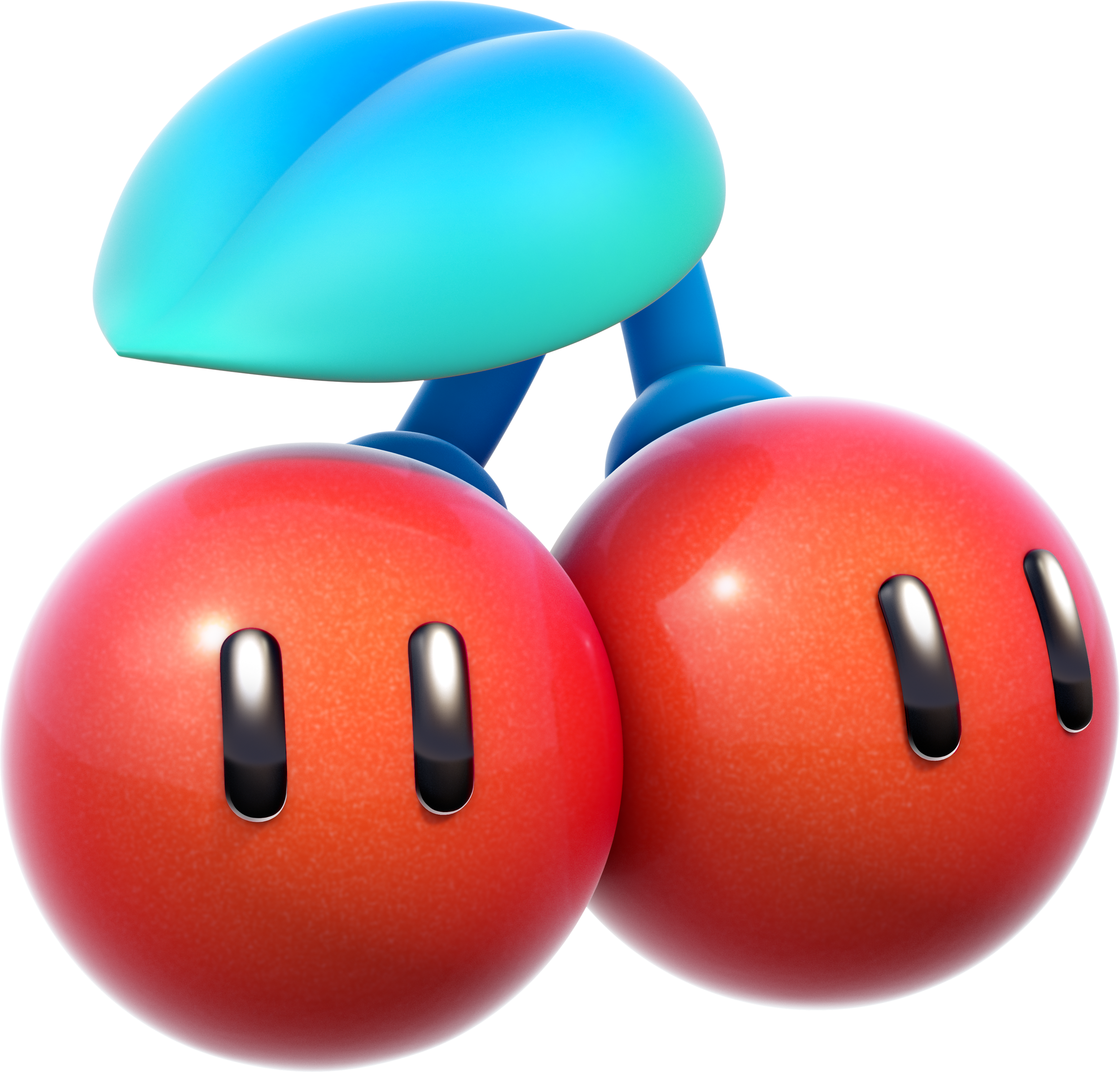

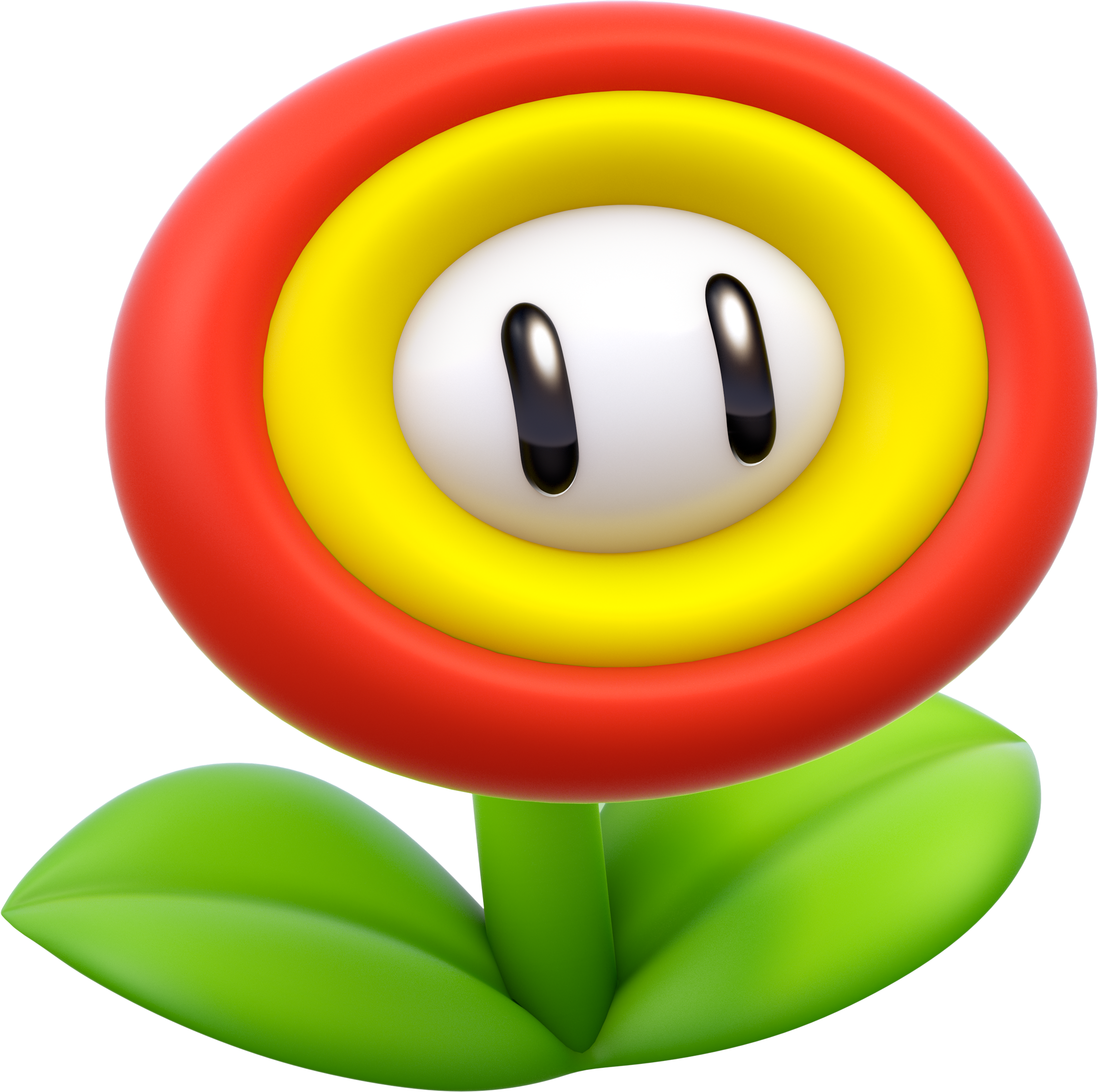



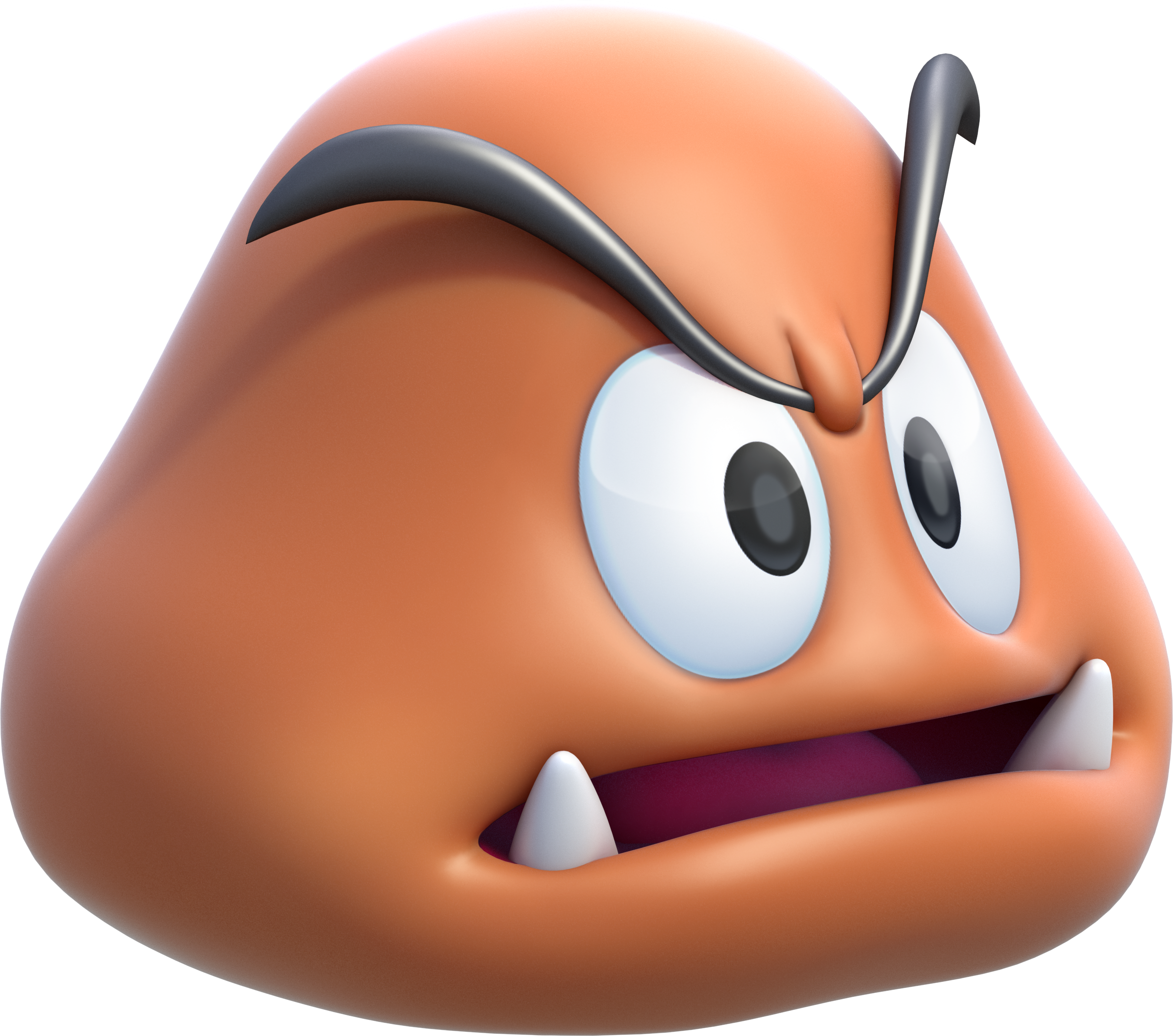
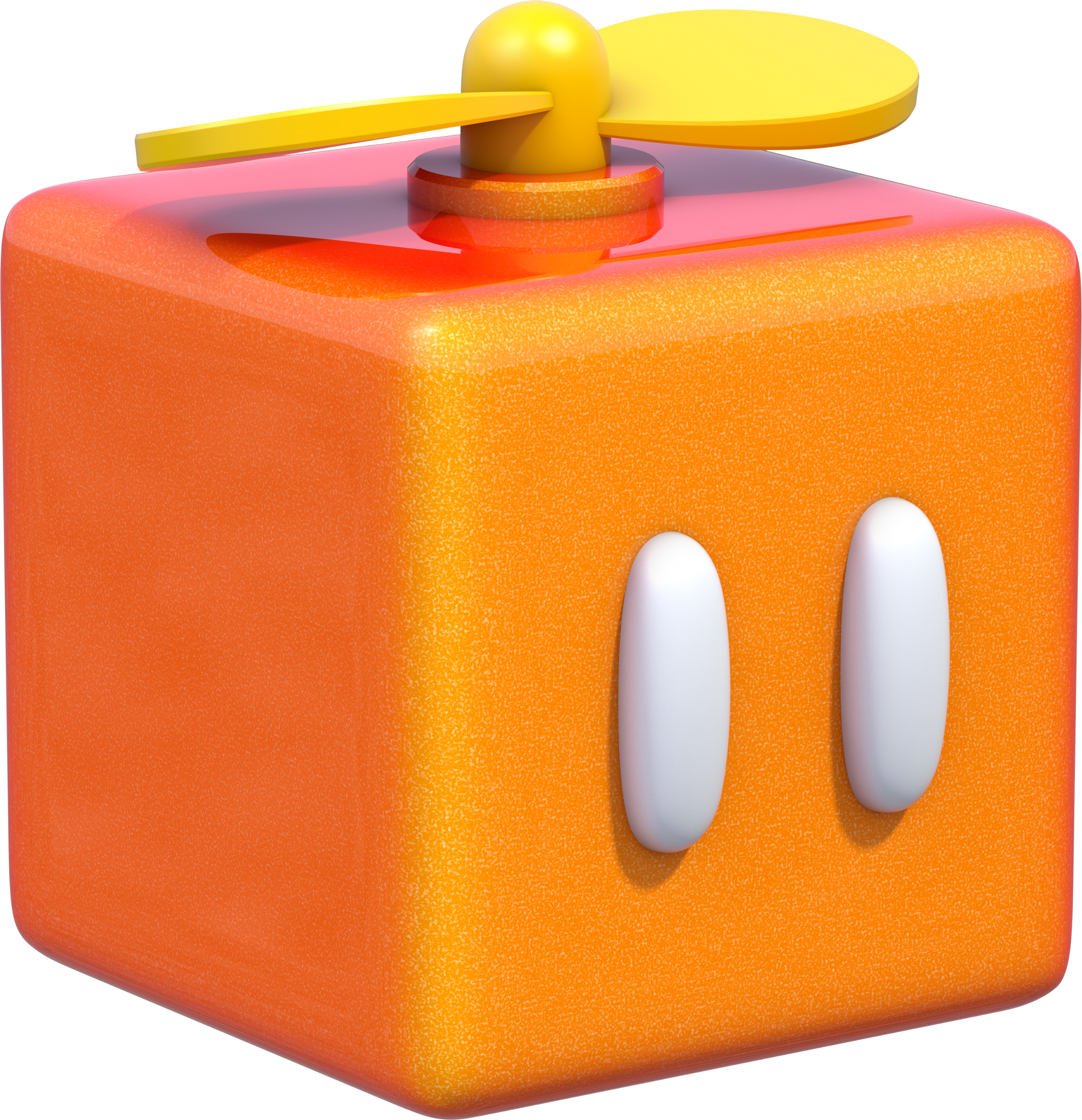
Items specific to SM3DW also include the Ice Skate (dropped by Skating Goombas — use it to slide and defeat enemies), the Koopa Shell (throwable as always), and the Warp Box (teleports you to a specific location within the level — often near a hidden area).
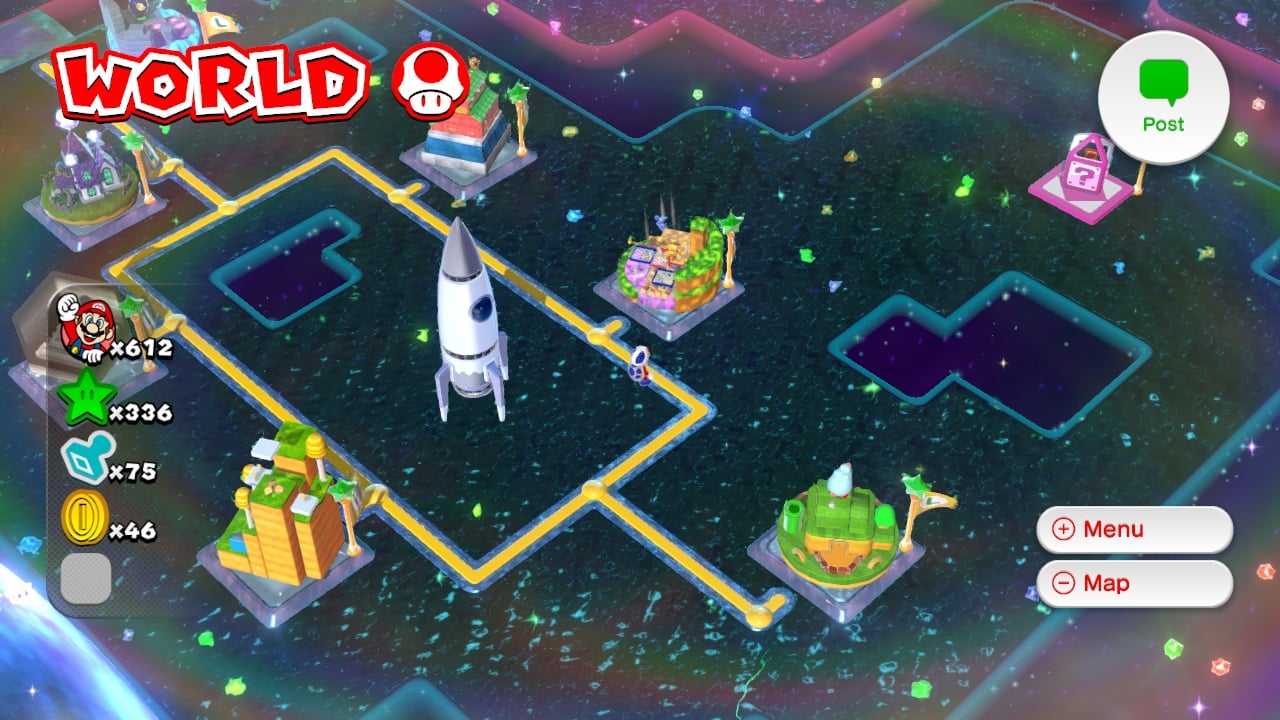
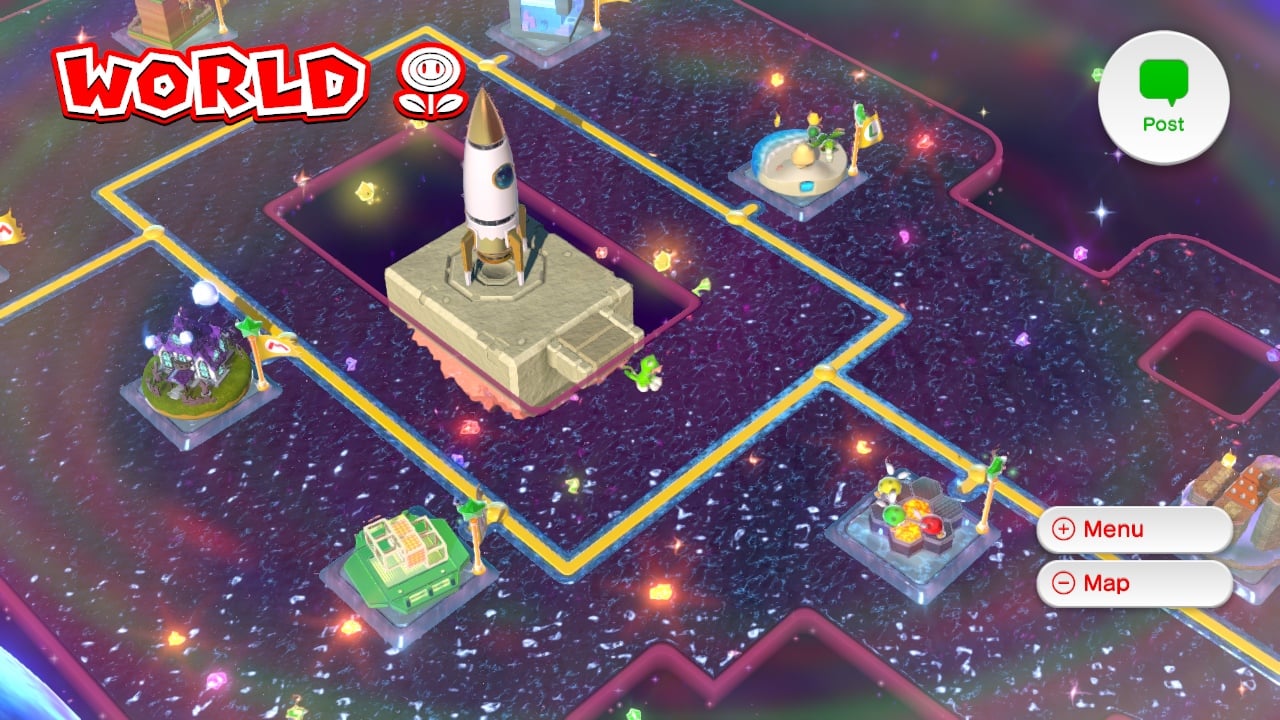
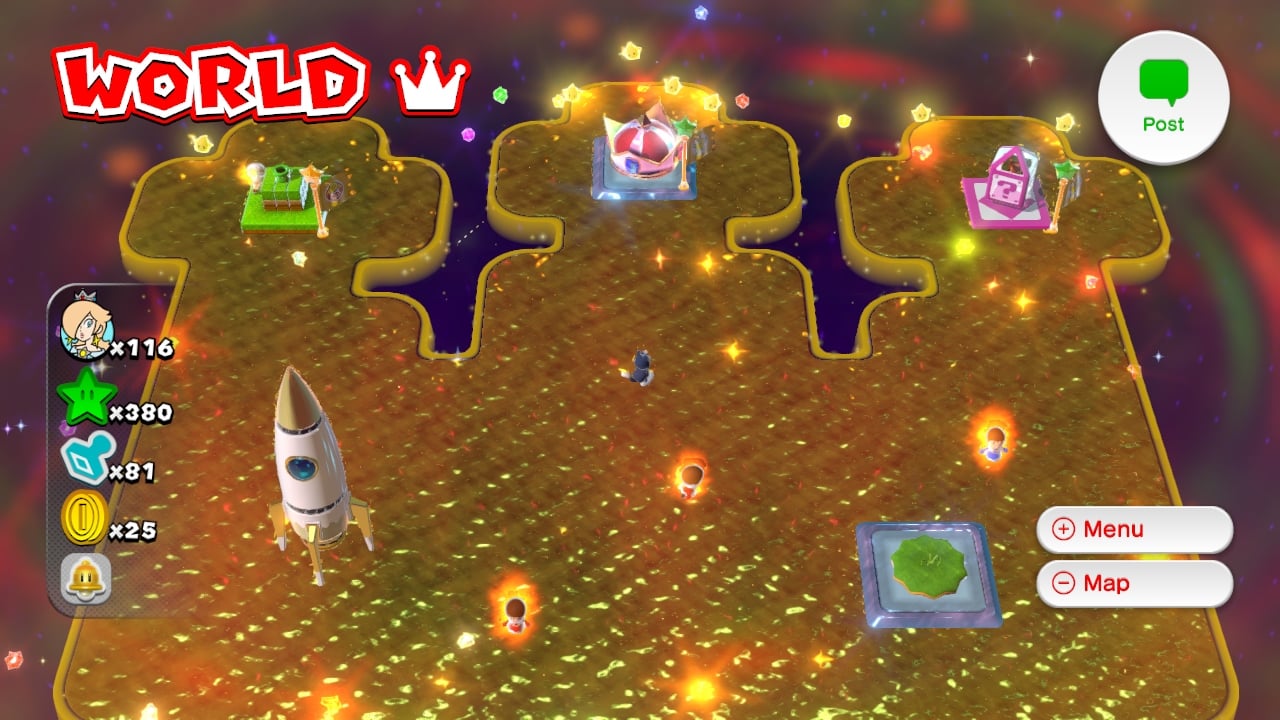
12 worlds, 116 courses — and unlike most Mario games, the world map here is freely roamable. You can walk anywhere on the map (with a limited jump), wander into Mystery Houses, stumble onto Enemy Battles, discover hidden Captain Toad stages. There’s a genuine sense of place to each world rather than just a node-to-node path.
The 8 standard worlds make up the main game; Worlds Star, Mushroom, Flower and Crown are unlocked by completing specific objectives and represent the game’s escalating postgame challenge. World Crown in particular contains just three courses — one of which is Champion’s Road, widely considered one of the hardest levels Nintendo has ever made.
Main worlds


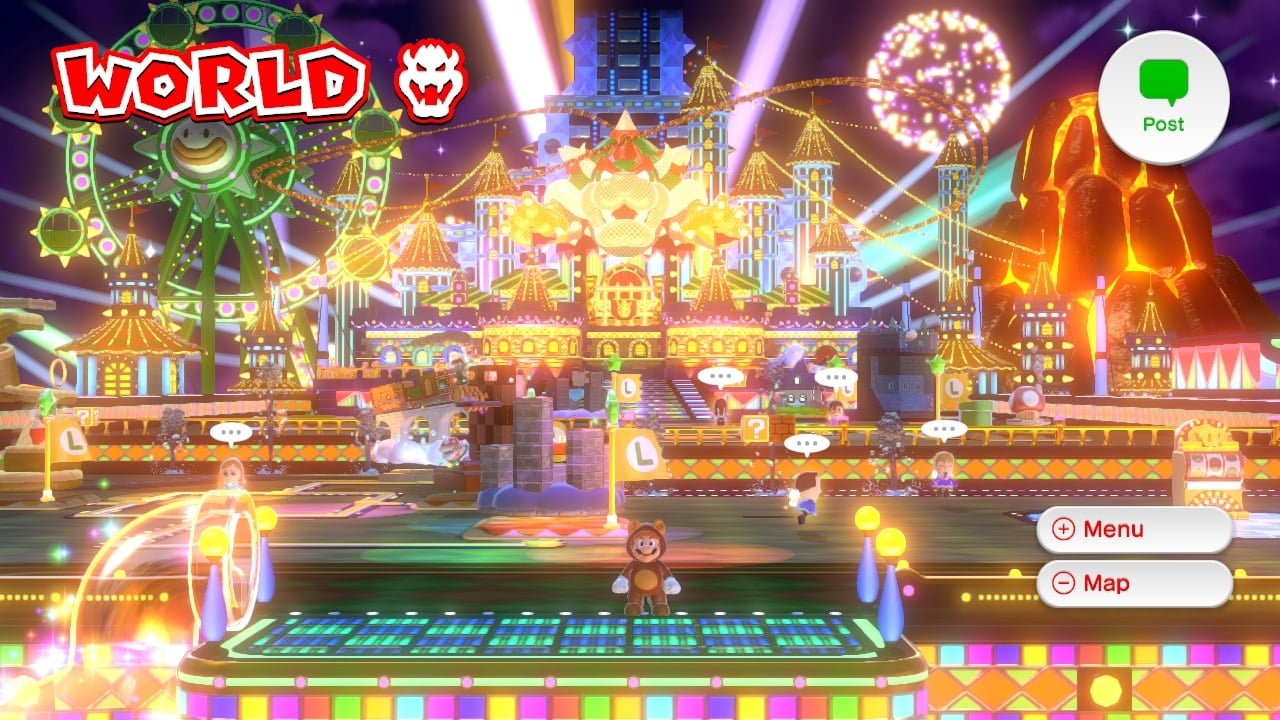
Special worlds

Beyond the main adventure, SM3DW packs in several distinct systems that give it enormous depth and replay value.
4-player co-op with competitive scoring — up to four players share the same stage simultaneously. Everyone works together to reach the goal, but points are individually tracked and the player with the most points at the end earns a crown. That crown gives a score bonus — and other players can steal it by touching you. It creates a wonderful tension between helping each other and sabotaging each other for points.
Green Stars and Stamps — every course contains Green Stars (usually 3) and one collectible Stamp. Stars unlock later levels that are gated behind star counts; Stamps were for Miiverse posts (now defunct) but are still satisfying to collect as a completion metric. Gold stars appear on the goal flag when you clear a stage with all stars collected, all five characters used, and someone touches the very top of the flag.
Mystery Houses — short timed micro-challenge gauntlets. Each Mystery House gives you a very short window (usually 10 seconds per challenge) to complete a series of tasks for Green Stars. They range from “stomp these enemies” to “collect these coins” to “survive this Cat Suit obstacle course.”
Captain Toad’s Adventures — isometric puzzle stages where Captain Toad (who can’t jump) must navigate a compact diorama-like environment to find a hidden Green Star. He uses a headlamp, Pluck Patches and his wits. These stages were so beloved that Nintendo turned them into a full standalone game in 2014.
GamePad features — the GamePad player can tap enemies on the touch screen to momentarily stun them, blow into the mic to move Propeller Platforms and blow away certain enemies, tap blocks to reveal hidden contents, and use Free Camera Mode by tilting the controller. It’s a more integrated second-screen experience than most Wii U games managed.

Hidden within SM3DW is a complete port of the original arcade Mario Bros. — except both playable characters are Luigi. Green Luigi plays as player one; classic 8-bit yellow Luigi plays as player two. It’s a proper Virtual Console-style ROM port, complete with save/restore points.
To unlock it: finish the main game once, then look for the Luigi button in the bottom-left corner of the title screen. If you have New Super Luigi U save data on your console, it unlocks immediately without needing to finish the game first. Like the rest of the game, Luigi Bros. is a Year of Luigi celebration.
Also scattered throughout the game are hidden Pixel Luigis — 8-bit Luigi sprites embedded in the environment, similar to the hidden Luigis in New Super Luigi U. Finding them all is an unofficial completionist challenge.
Super Mario 3D World was universally acclaimed — 93 on Metacritic, widely listed as the best Wii U game and one of the best platformers of the generation. Critics fell over themselves praising the co-op, the level variety, the power-ups and the sheer inventiveness of the design. The main note of qualified praise was that it lacked the sweeping grandeur of the Galaxy games — but taken on its own terms, it’s a masterpiece.
The Switch rerelease in February 2021 — Super Mario 3D World + Bowser’s Fury — added Bowser’s Fury, a completely new open-world Mario experience that proved so popular it was almost considered a full game in its own right. The Switch version has outsold the Wii U original by nearly 2:1.
- SM3DW is MarioWiki’s Featured Article — one of the site’s highest-quality, most comprehensive articles. A mark of just how well-documented and beloved this game is.
- The Cat Suit design was reportedly inspired by a toy cat bell that producer Yoshiaki Koizumi’s daughter owned. The entire cat theme of the game followed from that single prop item.
- This is the first 3D Mario game to feature Princess Peach as a fully playable character — her first time playable since Super Mario Bros. 2 in 1988.
- Rosalina’s inclusion was a surprise reveal shown in the Nintendo Direct two weeks before launch. She was not announced at E3. Her Spin attack is unique to this game — she doesn’t have it in any other title.
- The Double Cherry was a late addition to the game according to interviews — the development team found it so funny that they built several stages specifically around it.
- Champion’s Road (World Crown) took Nintendo’s internal playtesting team longer to complete than any other level they’d designed. It requires mastery of the Cat Suit, Tanooki Suit, Fire Flower, Boomerang Flower and Mega Mushroom in sequence, with no power-up storage.
- The game’s score system — points earned per stage, crown for high scorer — was the first time a score system appeared in a 3D Mario game. The score doesn’t affect progression but gives multiplayer competitive structure.
- Captain Toad’s Adventures was developed by a separate internal team at Nintendo EAD and was originally a small side feature. Response was so positive that Nintendo greenlit a full standalone game: Captain Toad: Treasure Tracker, released in 2014.
- The Great Tower of Bowser Land — the final boss level — features Meowser (Cat Bowser) creating duplicates of himself as a mechanic, referencing Bowser’s use of Double Cherries. One of the more narrative-integrated final boss designs in the series.
- The Luigi Bros. bonus game contains Pixel Luigis hidden in the stages — continuing the Year of Luigi pixel art Easter egg tradition from New Super Luigi U and Super Mario 3D World’s own main game.
- Super Galaxy (World Star-2) is widely considered a love letter to Super Mario Galaxy — it features space aesthetics, gravity-defying platforms and the Comet Observatory from the Galaxy series appearing in the background. Rosalina’s home.
- The Switch version’s Bowser’s Fury was developed alongside the SM3DW port by a small team under tight pandemic conditions in 2020. It was designed as a “what if open-world 3D Mario had a time limit” experiment — and it worked remarkably well.
Full playthroughs & guides on our YouTube channel
We have comprehensive All Green Stars & Stamps playthroughs, All Bosses guides and more for Super Mario 3D World on our channel. If you’re stuck or just want to see the whole game played out, head over to SuperLuigiBros on YouTube!